Dead Tree Removal in Reno, NV
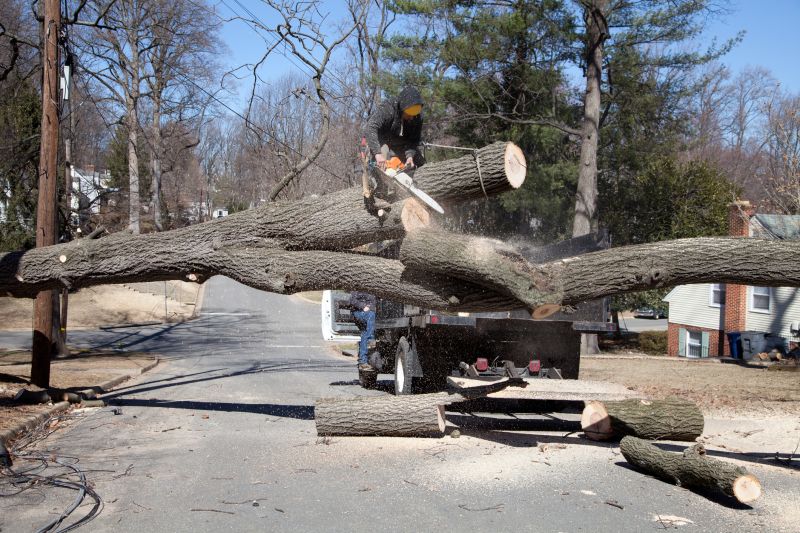
Dead tree removal services involve the safe and efficient removal of trees that have died, become hazardous, or are otherwise no longer healthy. This type of project typically covers the removal of standing dead trees, broken or decayed branches, and trees that pose a risk to nearby structures, power lines, or other landscape features. Property owners interested in this service should consider factors such as the size and location of the tree, accessibility, and potential impacts on surrounding areas to determine if professional removal is necessary.
Before requesting dead tree removal, homeowners often want to understand the scope of work involved, including whether the entire tree will be removed or if only specific parts need attention. It’s also helpful to know if any permits are required for removal and how the process may affect the landscape temporarily. Clarifying these details can ensure the project aligns with property safety, aesthetic goals, and local regulations.
Many property owners in Reno, NV look into Dead Tree Removal for repairs, replacements, upgrades, and appearance-related improvements.
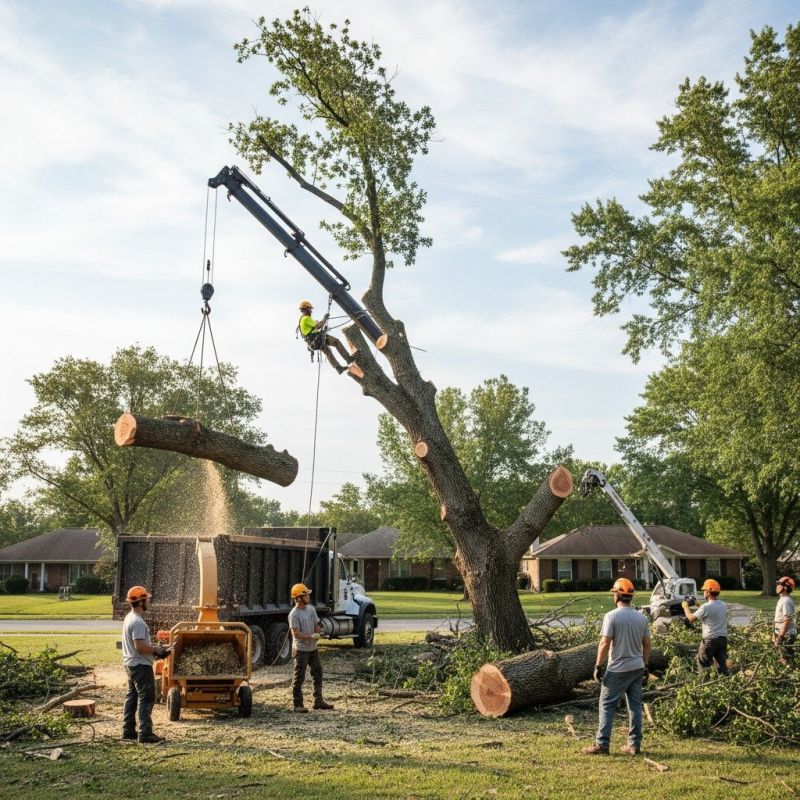
Reasons For Dead Tree Removal
Removing dead trees helps prevent property damage and safety hazards around homes and businesses in reno.
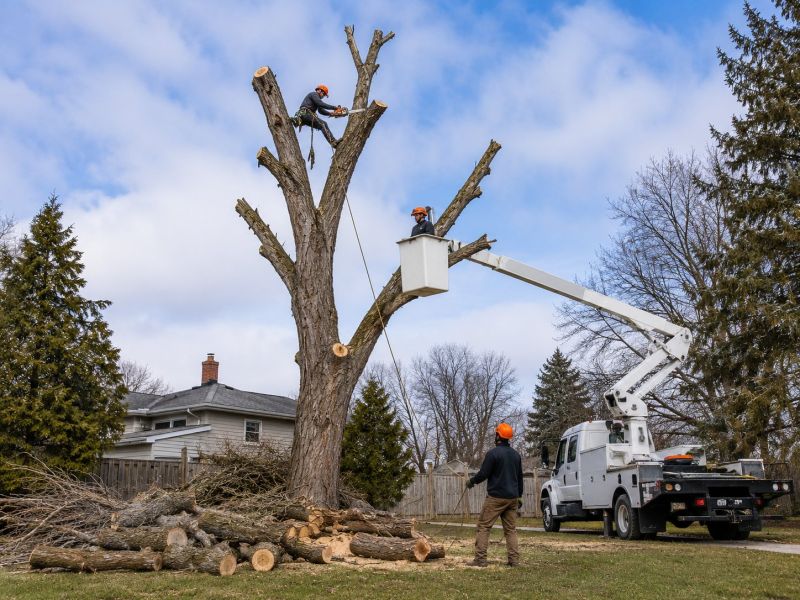
Signs A Tree Needs Removal
Signs include dead or dying branches, trunk decay, and leaning, which can indicate the need for professional removal.
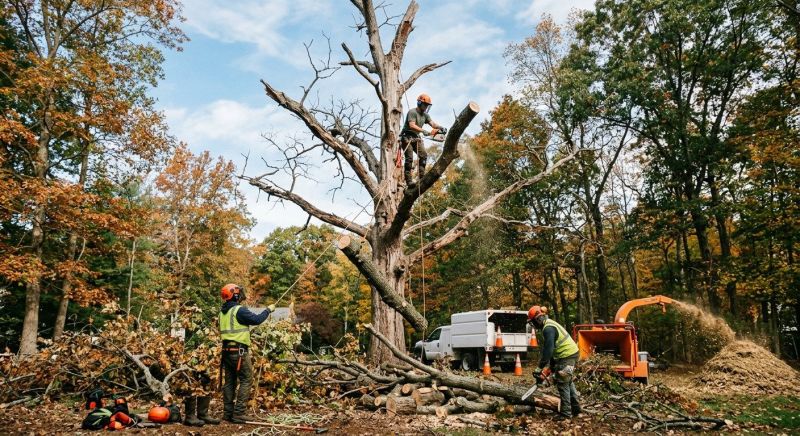
Benefits Of Professional Dead Tree Removal
Expert removal improves landscape safety, enhances curb appeal, and prepares properties for new planting or construction.
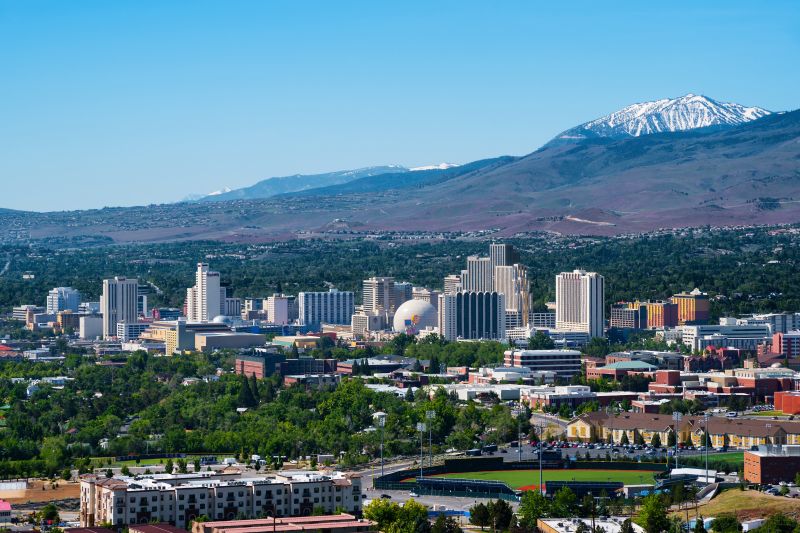
Dead Tree Removal in Reno, NV
Dead tree removal services involve the safe and efficient removal of trees that have died, become hazardous, or are otherwise no longer healthy. This type of project typically covers the removal of standing dead trees, broken or decayed branches, and trees that pose a risk to nearby structures, power lines, or other landscape features. Property owners interested in this service should consider factors such as the size and location of the tree, accessibility, and potential impacts on surrounding areas to determine if professional removal is necessary.
Before requesting dead tree removal, homeowners often want to understand the scope of work involved, including whether the entire tree will be removed or if only specific parts need attention. It’s also helpful to know if any permits are required for removal and how the process may affect the landscape temporarily. Clarifying these details can ensure the project aligns with property safety, aesthetic goals, and local regulations.
Many property owners in Reno, NV look into Dead Tree Removal for repairs, replacements, upgrades, and appearance-related improvements.
Common Dead Tree Removal Jobs
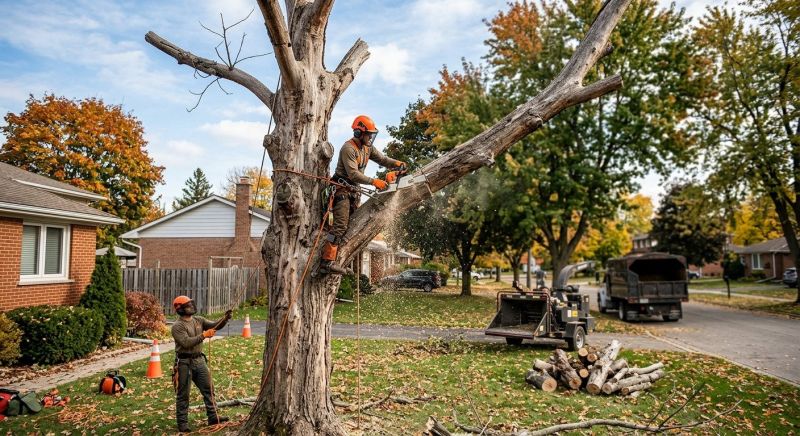
Dead Tree Removal - Safely removing hazardous or decayed trees to prevent property damage.
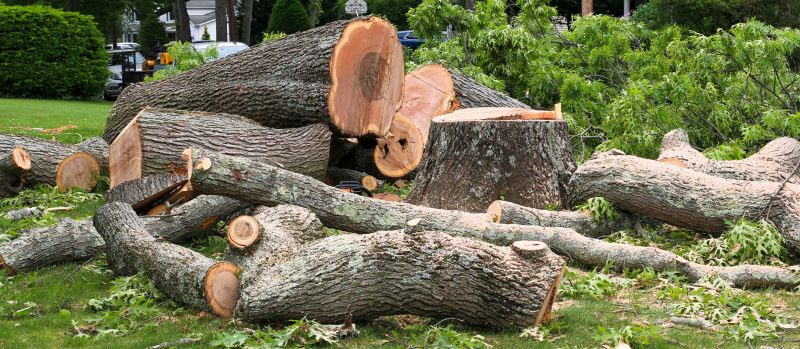
Stump Grinding - Eliminating tree stumps to improve landscape safety and appearance.
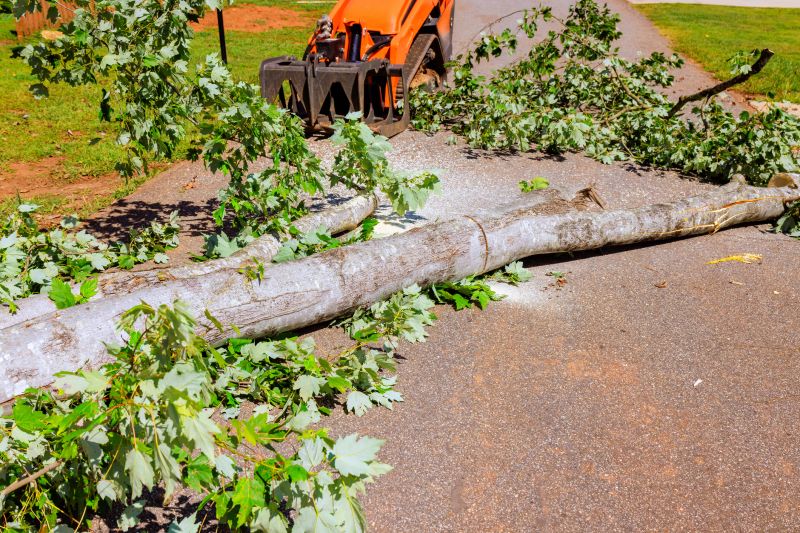
Emergency Dead Tree Removal - Quickly addressing fallen or unstable trees after storms or high winds.
Selective Tree Removal - Removing specific dead or problematic trees while preserving healthy ones.
Lot Clearing - Clearing dead trees and debris to prepare properties for construction or landscaping.
Tree Health Assessment - Identifying dead or dying trees that pose safety risks for removal.
Dead Tree Removal Questions
What types of trees are suitable for removal? Most deciduous and some coniferous trees that pose safety or property risks can be removed, depending on size and location.
Why remove a dead tree? Removing dead trees reduces the risk of falling branches or the entire tree causing damage or injury.
How does dead tree removal impact property value? Removing hazardous or unsightly dead trees can improve curb appeal and maintain property safety standards.
What should property owners consider before removal? It's important to assess the tree’s size, location, and potential impact on surrounding structures or landscaping.
Request Dead Tree Removal in Reno, NV
Use the quote form on this page to share the basics of your project and request more information for the type of work you need.